Modern running shoes systematically alter foot mechanics by changing sole geometry, cushioning, and torsional stiffness, shifting center-of-pressure trajectories and joint moments at the ankle, subtalar, and MTP joints. They reduce peak impact but damp proprioceptive input mobile podiatrist perth, reallocate load vectors, and suppress intrinsic muscle activation, promoting metatarsalgia, interdigital pathology, hallux valgus progression, and tendinopathy in susceptible individuals. Specific design elements like rocker profiles or high heel-to-toe drops drive predictable compensatory patterns. Further sections explain assessment and stepwise adaptation strategies.

How Running Shoes Change Foot Mechanics and Why It Matters
By altering sole geometry, cushioning properties, and torsional stiffness, running shoes systematically modify kinematic and kinetic patterns of the foot during stance and propulsion https://peoplepodiatry.com.au/. The footwear reallocates load vectors, alters center-of-pressure trajectory, and changes joint moments at the ankle, subtalar, and metatarsophalangeal joints.
Specific design elements—arch support and toe box width—shift intrinsic muscle activation and interdigital splay, respectively, influencing stability and propulsion efficiency. Midsole compliance attenuates peak impact forces but may reduce sensory feedback, prompting compensatory motor patterns.
Heel-to-toe drop modifies cadence and strike pattern, affecting eccentric and concentric muscle demand. These alterations have functional consequences for adaptability and movement autonomy; clinicians and users seeking liberated movement should assess shoe biomechanics relative to intended training and individual neuromuscular profiles.
Common Foot Problems Linked to Modern Running Shoes
Modern cushioned and supportive running footwear is associated with a spectrum of predictable pathology stemming from altered load distribution, restricted forefoot mobility, and attenuated sensory input.
Clinicians observe hallmark conditions: interdigital neuromas and callus formation secondary to chronic toe crowding, metatarsalgia from dorsal migration of load, and hallux valgus progression linked to constrained toe box geometry.
Concurrently, diminished intrinsic muscle activation contributes to progressive arch collapse, increased midfoot strain, and plantar fasciopathy in susceptible individuals.
Tendinopathies—particularly posterior tibial and Achilles—reflect compensatory biomechanics as proximal structures accommodate distal restriction.
Skin breakdown and nail dystrophy occur where repetitive shear interfaces with rigid uppers.
Management focuses on restoring unrestricted forefoot function, progressive strengthening, and offloading strategies that prioritize the foot’s natural capacity for freedom and resilient load distribution.
Shoe-Design Features That Alter Gait, Explained
Shifts in pathology observed with contemporary running footwear can be traced to discrete design elements that systematically modify lower-limb mechanics.
Midsole geometry, particularly rocker soles, shifts the center of pressure progression anteriorly, reducing metatarsophalangeal dorsiflexion demand and altering intrinsic foot loading patterns.
Elevated heel-to-toe differentials increase ankle plantarflexion moments, promoting posterior chain dependency and changing tibial rotation timing.
Excessive cushioning creates dampened proprioceptive input, a phenomenon described clinically as cushioned instability, which can delay stabilizing muscle activation and increase reliance on passive structures.
Outrigger platforms and wide flares increase mediolateral moment arms, modifying subtalar joint inversion-eversion control.
Reinforced arch elements constrain natural sagittal and transverse mobility, redistributing stresses proximally.
Each feature produces predictable biomechanical adaptations that should inform footwear selection for those seeking autonomous movement.
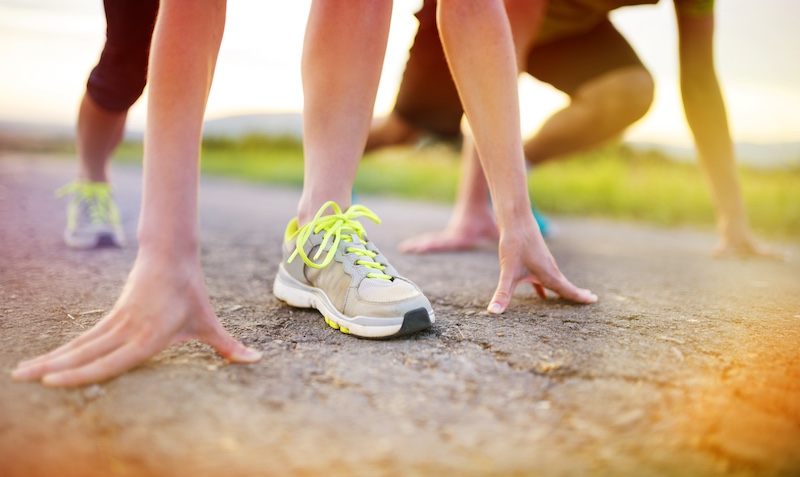
How to Test Your Feet and Shoes for Hidden Weakness
Evaluating feet and footwear for concealed vulnerabilities requires systematic, reproducible tests that quantify structural integrity, neuromuscular function, and device-induced biomechanical alterations.
The protocol includes static load assessments (arch strength via calibrated dorsiflexion and navicular drop measures), dynamic gait analysis with force-plate quantification, and video kinematics to detect abnormal pronation or restricted toe splay during stance.
Sensory and motor testing records reaction times and intrinsic muscle activation with electromyography to reveal compensatory patterns.
Footwear is evaluated for torsional rigidity, heel-to-toe differential, and localized pressure mapping under incremental loads.
Objective thresholds trigger interventions or further diagnostics.
Results are documented in standardized formats to enable autonomous decision-making by individuals seeking functional freedom and evidence-based adjustments to activity or device selection.
A Step-by-Step Plan for Choosing or Transitioning to Healthier Running Shoes
When selecting or shifting to healthier running shoes, a structured, phased protocol minimizes injury risk and maximizes functional adaptation by sequencing assessment, selection, gradual exposure, and objective monitoring.
First, perform baseline assessment: gait analysis, foot mobility, strength testing, and complaint mapping to define limits.
Second, select shoes that reduce maladaptive support while preserving comfort and proprioception; prefer low-drop, flexible sole options when appropriate.
Third, implement gradual progression: increase use 10–20% weekly, alternate old and new footwear, limit high-intensity sessions initially.
Fourth, integrate targeted foot strengthening and neuromuscular drills three times weekly to support structural adaptation.
Fifth, monitor outcomes with pain scores, load metrics, and functional tests; regress or slow progression if adverse responses occur.
Conclusion
Modern running shoes, through elevated heels, extensive cushioning, and rigid midsoles, systematically alter plantar loading patterns, joint kinematics, and intrinsic foot muscle recruitment. These adaptations can predispose to weakened arches, altered gait mechanics, and overuse injuries when unaddressed. Objective assessment of foot function and graded shift to lower-drop, flexible footwear—or targeted strengthening—mitigates risk. Clinicians and runners should prioritize biomechanics-driven selection and progressive adaptation protocols to restore native function and minimize long-term pathology.
