Can Rat Repellents Solve a Full-Blown Infestation
Are rats causing chaos in your home?
Wondering if rat repellents can tackle a full-blown infestation?
Dive into the world of rat deterrents to discover effective solutions pest control for rats.
From ultrasonic devices to natural remedies, explore the pros and cons to find the best fit for your situation.
Stay empowered and take control of your space with these tips for using rat repellents effectively.
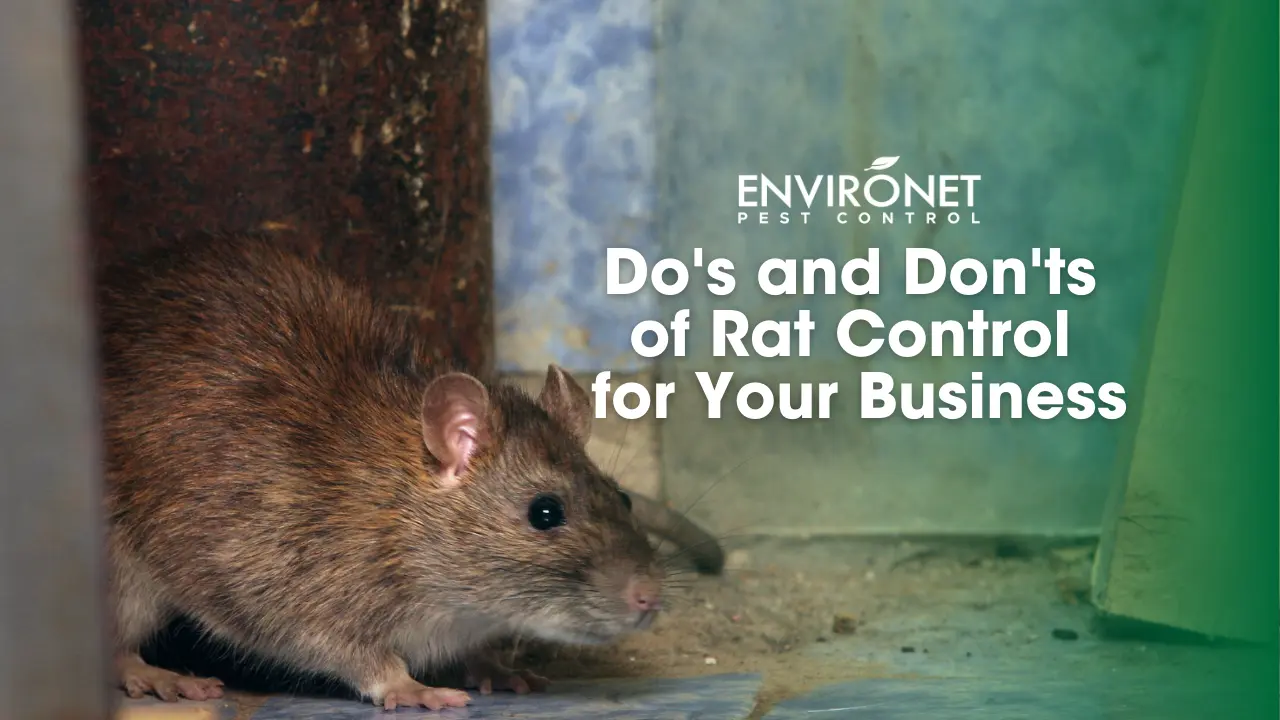
Types of Rat Repellents
You should regularly assess various types of rat repellents to effectively combat an infestation. When faced with a rat problem, it’s crucial to consider multiple options to find the most suitable repellent for your situation.
One common type of repellent is ultrasonic devices igreenasia. These emit high-frequency sounds that are unpleasant for rats, driving them away. Another option is peppermint oil, known for its strong scent that rodents detest. Additionally, natural predators like cats can act as effective repellents.
Traps, both snap and humane, are also popular choices for catching rats. Electronic repellents, which emit electromagnetic or ultrasonic waves, are another modern solution to consider. Lastly, sealing entry points and removing food sources are essential preventive measures that can complement the use of repellents.
Effectiveness of Ultrasonic Devices
Ultrasonic devices have gained popularity as a rat repellent due to their ability to emit high-frequency sounds that rats find unpleasant, effectively driving them away. These devices offer a non-toxic and environmentally friendly way to deter rats from infesting your space. The ultrasonic waves they emit are designed to disrupt the rodents’ communication and navigation, making it uncomfortable for them to stay in the area.
While some users report success with ultrasonic devices in repelling rats, it’s essential to consider their limitations. Rats can become accustomed to the ultrasonic sound over time, rendering the devices less effective. Additionally, these devices may have trouble penetrating walls or large open spaces, limiting their reach within your property.
To maximize the effectiveness of ultrasonic devices, consider using them alongside other rat control methods like sealing entry points and removing food sources. Remember, no single solution may completely eradicate a rat infestation, so a multi-pronged approach is often necessary for successful rodent control.
Natural Rat Deterrents to Consider
Consider incorporating natural rat deterrents regularly to enhance your rodent control strategy. By utilizing these alternatives, you can create a hostile environment for rats without resorting to harmful chemicals. Peppermint oil, a potent scent that rats detest, can be strategically placed in cotton balls near entry points or areas where rats frequent. Additionally, the strong smell of ammonia, when diluted with water, can act as a repellent when sprayed in rat-prone areas.
Maintaining cleanliness is crucial in deterring rats. Regularly clean up food crumbs, store food in airtight containers, and dispose of garbage promptly to eliminate attractants for rodents. Sealing off entry points with steel wool or wire mesh can prevent rats from accessing your home.
Furthermore, planting natural rat deterrents like mint, lavender, or black pepper around your property can help keep these pests at bay. These plants emit strong scents that rats find unpleasant, acting as a natural barrier. Incorporating these natural methods into your rodent control routine can complement your efforts in effectively managing rat infestations.

Pros and Cons of Chemical Repellents
Using chemical repellents in rodent control presents advantages and drawbacks worth considering. The primary benefit of chemical repellents is their effectiveness in deterring rats from your property quickly. These products often contain strong scents or tastes that rodents find unpleasant, driving them away from your home. Additionally, chemical repellents can be easy to use and provide a convenient solution for addressing a rat infestation promptly.
However, it’s essential to acknowledge the cons of relying solely on chemical repellents. One significant drawback is that rats may eventually become accustomed to the repellent’s scent or taste, rendering it ineffective over time. Moreover, some chemical repellents may contain harsh ingredients that could be harmful to pets, children, or the environment. It’s crucial to weigh these potential risks against the benefits before deciding to use chemical repellents for rodent control.
Tips for Using Rat Repellents
When tackling a rat infestation, implementing proper placement and regular replenishing of repellents can enhance their effectiveness. To make the most of rat repellents, start by identifying key rat activity areas. Place repellents strategically near entry points, nesting sites, and along known rat pathways. Remember to keep the repellents away from food sources and areas where pets or children frequent.
Consistency is key. Regularly check and replenish the repellents according to the manufacturer’s instructions. Rain or extreme temperatures can reduce the repellents’ potency, so be diligent in maintaining their effectiveness.
Consider using a variety of repellents to target rats through multiple sensory channels. Ultrasonic devices emit sound waves that are unpleasant for rats, while peppermint oil and ammonia-based solutions can deter them by smell. Experiment with different types to find what works best for your situation.
Conclusion
In conclusion, while rat repellents can help deter these pests, they may not completely solve a full-blown infestation on their own.
It’s important to use a combination of methods, such as ultrasonic devices, natural deterrents, and chemical repellents, along with proper sanitation practices to effectively control and prevent rat problems in your home.
Remember to regularly monitor and adjust your repellent strategy to keep those pesky rodents at bay.…